
Canada’s inflation rate peaked at 8.1 percent in June 2022, the highest in nearly four decades, according to Statistics Canada. That single number changed dinner table conversations across the country. Groceries felt heavier on the wallet. Mortgage payments jumped. Even seasoned investors started checking market updates before their morning coffee.
Economic uncertainty has a funny way of turning casual savers into serious planners. Across the country, financial advisors report more questions about risk, diversification, and long-term stability. Leaders such as Sim Gakhar have been vocal about proactive portfolio management, urging Canadians to shift from reactive habits to structured, forward-looking strategies. It sounds formal, but the idea is simple: plan before the storm, not during it.
Economic Cycles Demand Dynamic Strategies
The Canadian economy runs in cycles. It expands, cools off, then expands again. Interest rates rise to tame inflation, then fall to stimulate growth. The Bank of Canada raised its policy rate sharply between 2022 and 2023 to control inflation, and those hikes rippled through housing, consumer spending, and business investment.
If you owned a variable-rate mortgage during that stretch, you felt it. Payments climbed. Budgets tightened. Suddenly, the idea of “set it and forget it” investing seemed outdated.
That’s the key shift happening right now. Static financial plans struggle in dynamic economies. A portfolio built during a low-rate environment may not hold up the same way when borrowing costs rise and bond yields shift. Strategic wealth planning recognizes this reality. It adapts. It reviews allocations regularly. It considers tax efficiency, liquidity needs, and long-term goals in one picture rather than in isolation.
Think of it like winter tires. Canadians know seasons change. Yet some investors still drive their finances year-round on summer rubber. Economic cycles require switching gears.
Risk Management Is No Longer Optional
Market volatility has become dinner table talk. Global tensions, supply chain shifts, and energy price swings all feed into market sentiment. The International Monetary Fund has repeatedly warned about global growth slowdowns, and the global economy faces uncertainty as interest rates remain high, affecting Canada and its trading partners. Canadian markets do not exist in a vacuum.
Risk management used to sound dramatic. Now it sounds practical.
Diversification remains the backbone. Equities, fixed income, alternative assets, even cash reserves, each play a role. But modern risk management goes deeper. It asks uncomfortable questions. How exposed are you to a single sector? What happens if rates stay higher for longer? Do you have enough liquidity if your income changes?
This is where professional guidance earns its keep. Advisors who stress structured oversight, including voices like Sim Gakhar, often emphasize scenario planning. They map out best cases, worst cases, and something in between. It’s not about predicting the future perfectly. It’s about preparing for more than one version of it.
And yes, sometimes that means telling clients to dial back risk when markets feel euphoric. That can be unpopular advice. It is also responsible.
The Power of Personalized Planning
Wealth planning has moved far beyond picking a few mutual funds. Today it blends retirement projections, tax strategy, estate considerations, and insurance planning into a cohesive framework.
A young professional in Toronto has very different needs from a business owner in Calgary or a retiree in Halifax. Income patterns differ. Tax brackets differ. Family structures differ. Personalized planning recognizes these nuances.
Here is a small anecdote. A couple nearing retirement once believed their savings were “fine.” After a detailed review, they realized inflation would quietly erode more of their purchasing power than expected. Adjusting their withdrawal strategy and rebalancing assets made their plan sturdier. Same money, smarter structure.
Holistic planning builds resilience. It connects short-term cash flow with long-term vision. It ensures emergency funds are accessible. It aligns investments with personal risk tolerance, not social media trends.
That kind of structure creates peace of mind. And peace of mind has value. Ask anyone who has watched markets swing wildly in a single week.
From Uncertainty to Opportunity
Economic shifts can feel unsettling. Yet they also create openings. Higher interest rates have improved yields on certain fixed-income products. Market corrections can present entry points for disciplined investors. Businesses adapt. Consumers adjust. The economy evolves.
Strategic wealth planning does not promise immunity from downturns. It promises preparation. It encourages regular reviews, open conversations, and flexibility. It respects the reality that life changes, jobs change, and sometimes priorities change too.
As Canada navigates its next economic chapter, demand for thoughtful financial guidance will likely keep rising. People want clarity. They want structure. They want someone to translate central bank announcements into real-life implications.
Voices like Sim Gakhar continue to advocate for that proactive mindset. The message is steady and clear. Build with intention. Adjust with discipline. Think long term, even when headlines scream short term.
Uncertainty may be part of the modern Canadian economy. Strategic planning is how many are choosing to respond. And honestly, that shift might be one of the healthiest financial trends we have seen in years.


 International Monetary Fund research shows that fiscal policy decisions can significantly influence economic growth, inflation expectations, and investor sentiment, particularly during election periods. As governments prepare election-year budgets, discussions around fiscal policy uncertainty often become a key focus for financial markets and business leaders.
 Bringing international employees on board isn’t as simple as posting a job and scheduling interviews. Immigration law encompasses a complex web of requirements, including visa sponsorship, labor certifications, international tax codes, and compliance with ever-changing immigration rules.
 The U.S. Securities and Exchange Commission proposed Regulation Crypto Assets on August 18, 2026. The framework would create two registration exemptions for certain investment contracts involving crypto assets. One covers offerings up to $5 million over four years. Another covers up to $75 million in a 12-month period. The proposal also creates a conditional safe harbor that could separate qualifying crypto assets from earlier investment contracts.
 Artificial intelligence is widely expected to make workers and businesses more productive, yet the enormous investment required to build the technology could push prices higher before those efficiency gains arrive. Research involving International Monetary Fund chief economist Silvana Tenreyro argues that expectations of future productivity can trigger investment and spending immediately, creating inflationary pressure while the economy is still waiting for the extra productive capacity to materialize.
 Bank for International Settlements research shows that more than 90% of central banks worldwide are exploring or developing central bank digital currencies (CBDCs), reflecting growing interest in payment modernization amid inflation concerns and economic uncertainty. As governments seek more efficient financial systems, discussions around digital currency adoption have become increasingly prominent among policymakers, businesses, and consumers.

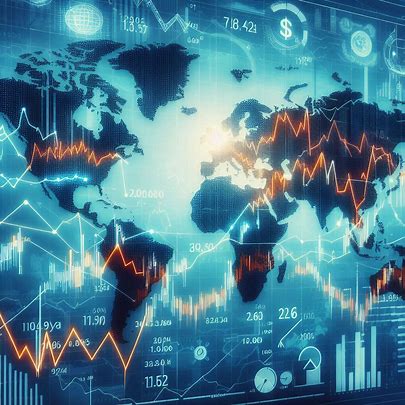
 Global economic growth continues to lose steam in late 2025 as policy uncertainty, rising tariffs, and geopolitical shifts weigh heavily on markets. The IMF’s October 2025 World Economic Outlook projects global growth at about 3.2 % in 2025, slightly down from prior expectations, with growth slipping further to around 3.1 % in 2026. Meanwhile, the OECD flagged that growth may slow even more, their Interim Economic Outlook cites cooling investment and weakening demand as contributors to slowing GDP.


 Growth Forecasts Slashed



 Vehicle auctions provide valuable insights into economic conditions. Fluctuations in auction prices, demand for specific models, and the frequency of fleet sales all reflect broader market trends. By analyzing these patterns, economists can refine their forecasting models, improving predictions on inflation, consumer confidence, and overall financial stability.
 One key way rental deposit guarantees influence modern economic models is by improving tenant liquidity. Traditionally, renters must pay large upfront deposits, sometimes equivalent to several months’ rent. This financial requirement often places a strain on tenants, especially those who may already face challenges with cash flow. Instead of tying up valuable funds, services such as DepositDirect offer a solution that allows tenants to guarantee their deposits without providing cash upfront. These services often provide a platform where tenants can pay a small fee in exchange for a guarantee to their landlord, effectively lowering the upfront costs involved in securing a rental property.